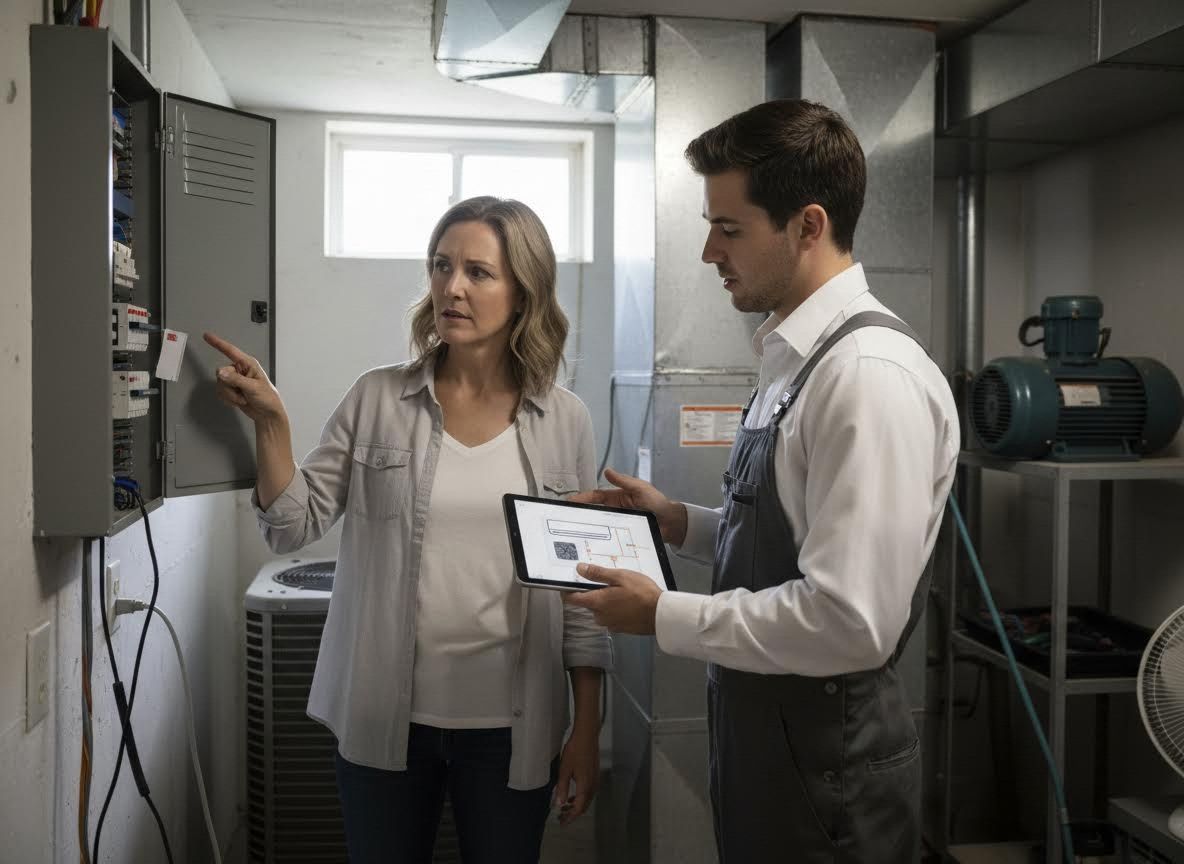
As summer approaches, many homeowners eagerly anticipate warmer days and the comfort of a cool home. However, the increased use of air conditioners and other seasonal appliances places a significant demand on your home's electrical system. Understanding whether your electrical panel is ready for this seasonal surge is crucial for both comfort and safety. At Home Service Plus, we believe in empowering homeowners with the knowledge to maintain a safe and efficient living environment.
The Summer Surge: Increased Demand on Your Electrical Panel
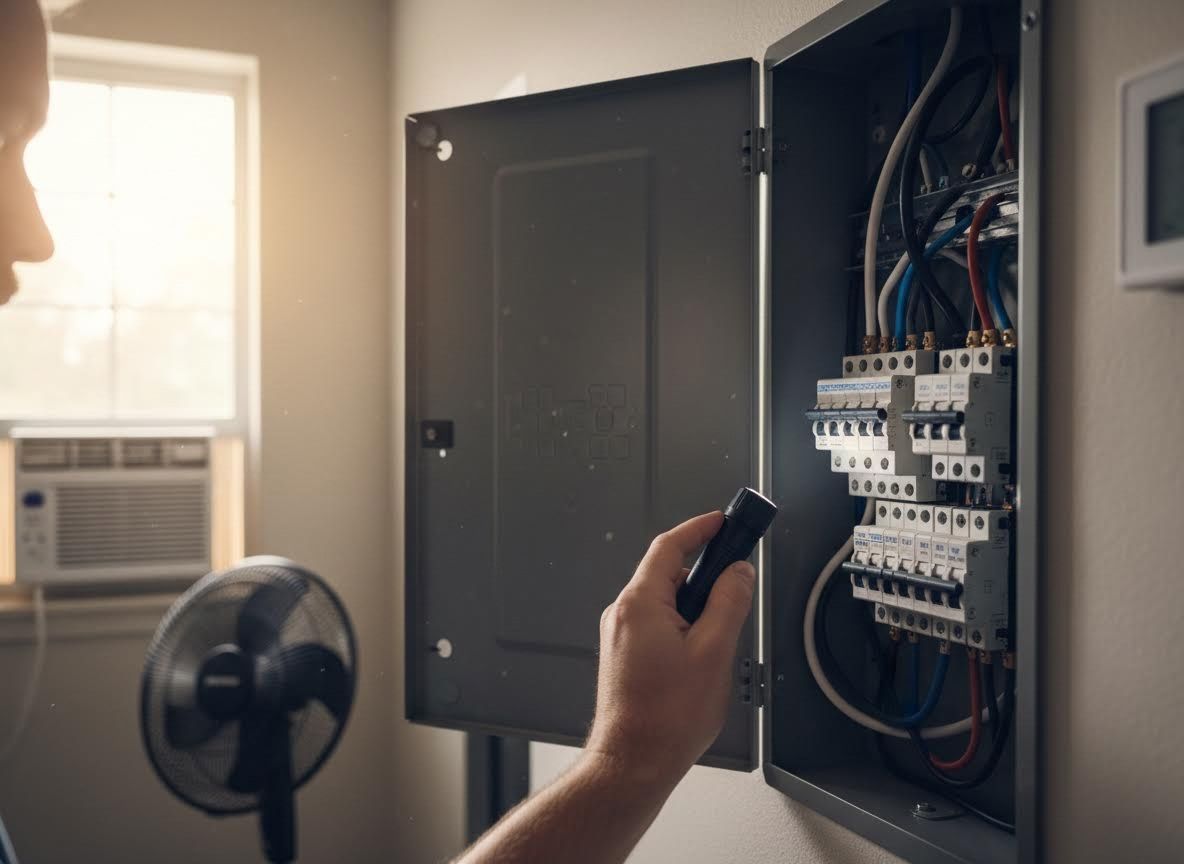
When temperatures rise, so does the electrical load in most homes. Air conditioning units, especially older models, are significant power consumers. Beyond your AC, you might be running fans, pool pumps, outdoor lighting, and other appliances more frequently. This collective demand can put a substantial strain on your electrical panel, which is designed to distribute electricity safely throughout your home. An outdated or undersized panel may struggle to handle this increased workload, leading to potential issues that disrupt your comfort and compromise safety.
Spotting the Warning Signs of an Overloaded Panel
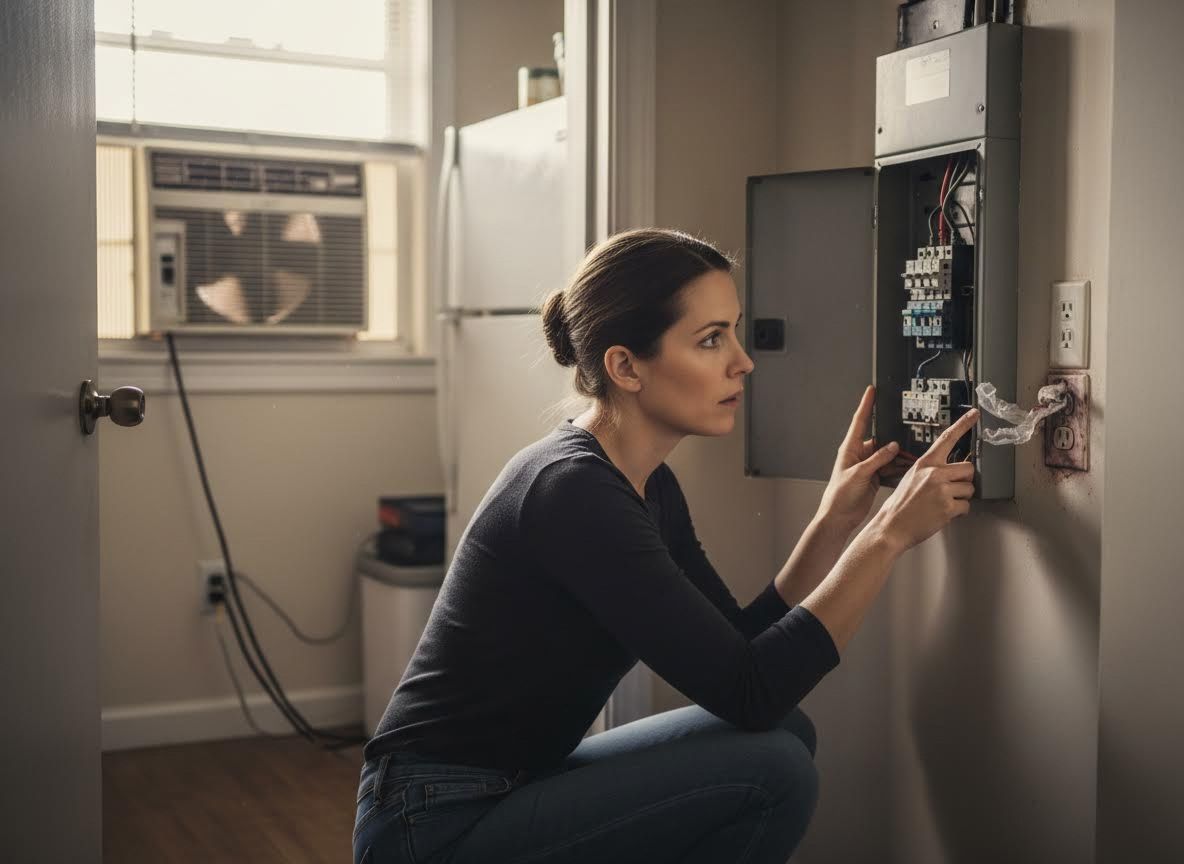
It's important to recognize the indicators that your electrical panel might be struggling. Frequent tripping circuit breakers are a common sign, as they are designed to cut power to prevent overloads and potential damage. Other warning signs include flickering lights, especially when a large appliance like your air conditioner kicks on, or a persistent burning smell coming from the electrical panel itself. Warm outlets or switch plates, discolored outlets, or even a slight buzzing sound from the panel can also indicate that your electrical system is under stress. Ignoring these symptoms could lead to serious electrical problems, including fires.
Keeping Your Home Cool and Your Panel Safe
Proactive steps can help reduce the strain on your electrical panel during the summer months. Consider spreading out your energy usage by not running all high-demand appliances simultaneously. Upgrading to energy-efficient appliances, particularly a modern air conditioning unit, can significantly reduce your home's overall electrical draw. Regular maintenance of your cooling system is also vital; ensuring your air conditioner is running efficiently means it doesn't have to work harder than necessary, thereby drawing less power. This can be supported by regular HVAC services, ensuring your system performs optimally. While you might be focused on cooling, remember that routine maintenance on all your home systems, including furnace repair checks, contributes to overall efficiency and can indirectly reduce stress on your electrical system year-round.
When to Call the Professionals for Electrical and HVAC Needs
If you're noticing any of the warning signs of an overloaded electrical panel, or if your home is older and hasn't had an electrical inspection in years, it's wise to consult with a qualified electrician. They can assess your panel's capacity, inspect wiring, and recommend necessary upgrades or repairs to ensure it can safely meet your home's demands. Similarly, for optimal home comfort and energy efficiency, consider scheduling professional air conditioner repair and maintenance. Services like duct cleaning can also improve airflow, making your AC unit more efficient and further reducing its electrical load. Investing in professional hvac repair and maintenance for all your HVAC systems helps prevent issues before they become costly problems, ensuring your home stays comfortable and safe.
Ensuring your electrical panel is ready for the summer season is a vital part of maintaining a safe and comfortable home. By understanding the signs of an overloaded system and taking proactive steps, you can avoid common issues and enjoy peace of mind. Home Service Plus is dedicated to helping Winnipeg homeowners keep their systems running smoothly and efficiently. We invite you to contact us today to learn more about our comprehensive HVAC services and how we can help prepare your home for a worry-free summer.